China Top 10 Car Upgrade Makers How Much Should You Spend?

Time:2026-10-05 Author:Henry
0%

China’s automotive aftermarket is changing quickly. Local makers now offer suspension kits, forged wheels, brake systems, exhausts, lighting, and intelligent driving accessories. This growth gives owners more choice, but it also creates a difficult question: how much should you spend on car upgrades?

Peter MacKenzie, president and CEO of the Specialty Equipment Market Association, has emphasized a practical principle: “Quality, safety, and proper installation should guide every modification.” His point matters in China’s crowded upgrade market. A low-priced coilover may look attractive online, yet poor damping can make a daily commute uncomfortable. Cheap brake pads may also create noise, dust, or inconsistent stopping performance. Small savings can become expensive repairs.

This guide examines China’s top 10 car upgrade makers through product quality, engineering experience, customer support, testing standards, and value. It also considers realistic spending levels for different drivers. A basic improvement package may cost several thousand yuan. A carefully matched performance build can exceed 50,000 yuan. There is no universal budget.

Spend with purpose.

A family SUV needs different upgrades from a track-focused sedan. Comfort, reliability, warranty coverage, and installation quality should remain central. Some buyers may also overestimate horsepower while ignoring tires and braking. That is a weakness worth admitting.

The best upgrade is not always the most dramatic one. It is the modification you can maintain, understand, and safely enjoy for years.
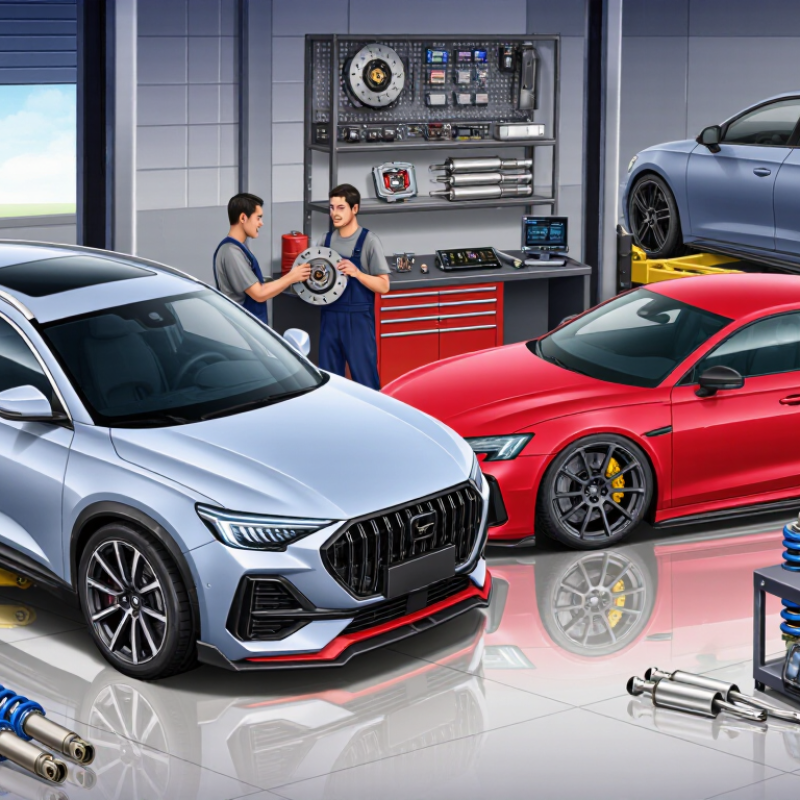
China Top 10 Car Upgrade Makers How Much Should You Spend?

What Defines a Car Upgrade Maker in China’s Automotive Industry

China Top 10 Car Upgrade Makers: How Much Should You Spend?

What Defines a Car Upgrade Maker in China’s Automotive Industry

A car upgrade maker is more than a workshop selling attractive parts. It should design, test, install, and support improvements for real driving conditions. In China, strong makers often combine engineering drawings, controlled production, skilled technicians, and local road knowledge. They may improve suspension, braking, lighting, interiors, or electronic systems without weakening the vehicle’s original safety structure.

Look closely at the working process. A reliable maker measures the vehicle before modification, records component specifications, and checks fitment after installation. Proper torque tools matter. So do brake tests, alignment reports, heat checks, and clear warranty terms. An itemized quotation should separate design, materials, labor, testing, and after-sales service. Missing paperwork is not always proof of poor quality, but it deserves questions.

Budget depends on the vehicle and upgrade goal. A careful handling package may require 8,000 to 25,000 yuan, while a larger performance project can exceed 60,000 yuan. Spend gradually. Keep money for inspection and maintenance. The most expensive package is not automatically the safest or most useful. Some upgrades look impressive in a showroom yet feel uncomfortable on uneven city roads. That is where judgment can fail. A trustworthy maker explains limitations, accepts testing feedback, and admits when an upgrade is unnecessary. Perfect results are rare. Good documentation makes improvement measurable.

How to Evaluate China’s Top 10 Car Upgrade Makers

China Top 10 Car Upgrade Makers: How Much Should You Spend?

Evaluating China’s leading car upgrade makers requires more than comparing prices. The China Association of Automobile Manufacturers reported 30.09 million vehicle sales in 2023, including 9.5 million new-energy vehicles. This expanding market creates many upgrade choices, but quality can vary sharply. Check whether a maker publishes crash testing, thermal testing, material specifications, and installation procedures. A professional supplier should also provide clear warranty terms and traceable replacement parts.

Start with compatibility. Ask for the vehicle’s exact model year, battery system, sensor layout, and software requirements. Poorly matched accessories may create warning lights or reduce driving comfort. Independent certification matters. Reports from the China Automotive Technology and Research Center show growing attention to intelligent-vehicle safety and testing standards. Do not accept vague claims.

Budget with restraint. A reasonable upgrade allowance is often 5% to 12% of the vehicle’s purchase price, depending on purpose and risk. Spend more on structural protection, braking support, lighting quality, and certified electrical components. Spend less on cosmetic parts that cannot improve safety or durability. In workshop inspections, small details matter: uneven panel gaps, loose wiring, weak connectors, and missing installation records. These signs are easy to overlook. I would not ignore them.

The McKinsey 2024 China automotive consumer research highlights rising expectations for technology, convenience, and ownership value. Yet customer reviews can be biased or incomplete. Compare long-term complaint patterns, after-sales response times, testing evidence, and return policies. A polished showroom is not proof of engineering quality. Some evaluations remain uncertain, and that uncertainty should affect the final price.

China Car Upgrade Market: How Much Should You Spend?

Typical one-time spending for popular aftermarket upgrade categories in China. These indicative retail medians exclude vehicle-specific installation complexity, taxes, and premium materials.

Use the estimated budget as a starting point: compare material quality, installation standards, warranty coverage, technical certification, and after-sales support before choosing an upgrade maker.

The Main Types of Vehicle Upgrades and Their Benefits

Vehicle upgrades should begin with purpose, not appearance. Safety-focused improvements include better brake pads, quality tires, brighter approved lighting, and stronger suspension components. A sensible starting budget is 3,000–8,000 RMB, depending on the vehicle and installation work. These upgrades can shorten stopping distances and improve control on wet roads.

Handling upgrades may include dampers, springs, alignment, and anti-roll components. They can make steering more predictable, especially on uneven urban streets. Comfort upgrades cover sound insulation, seat support, cabin ventilation, and practical storage. Expect to spend 2,000–12,000 RMB for useful changes, though poor installation can create rattles or uneven tire wear. Measure twice.

Performance modifications require greater care. Engine calibration, cooling improvements, and exhaust changes may improve response, but heat, fuel use, emissions, and insurance requirements must be checked. A realistic budget often starts near 5,000 RMB and can exceed 30,000 RMB. Power alone is not progress. A vehicle with extra output but weak brakes is badly balanced.

Appearance upgrades, including wheels, protective film, and interior materials, usually cost 1,500–20,000 RMB. Electronic upgrades can add parking cameras, monitoring sensors, or navigation functions. Choose components with clear specifications and professional fitting records. My early cost estimates were too optimistic; labor, calibration, and replacement parts often added 20 percent. Spending gradually makes faults easier to identify, and a qualified technician should confirm road legality before installation.

How Much Should You Spend on Different Car Upgrade Projects

Car upgrades in China can range from modest comfort changes to expensive performance projects.

A practical budget starts with the purpose, not the trend. For window tint, floor protection, lighting, or a basic audio improvement, prepare about 1,000 to 5,000 yuan.

These projects are affordable, but poor installation can cause rattles, wiring faults, or reduced visibility.

Suspension upgrades usually require 5,000 to 15,000 yuan, including alignment and labor.

Budget for a professional inspection afterward.

Brake improvements may cost 4,000 to 12,000 yuan, depending on the vehicle and parts selected.

A car that feels sharper but pulls to one side is not an upgrade. It is a warning.

Wheel and tire changes often need 6,000 to 20,000 yuan.

Keep the original rolling diameter within approved limits, and check local inspection requirements before ordering.

Engine-related work can exceed 15,000 yuan quickly. Software calibration, cooling improvements, and stronger supporting components should be planned together. Saving money on one part may create larger repair costs later.

Set aside another 10% to 20% for hidden expenses, such as replacement clips, fluids, alignment, or unexpected wear.

My own budgeting mistake was ignoring labor time; the parts looked reasonable, yet the final invoice did not.

Reliable workshops should explain the parts list, installation process, testing method, and warranty terms in writing. A slower, documented project is often safer than a cheap package finished overnight.

Safety, Quality, Warranty, and Legal Factors to Consider

China’s Top 10 Car Upgrade Makers: How Much Should You Spend?

Price should follow risk, not appearance. Safety-related upgrades deserve more attention than cosmetic changes. Before paying, request material specifications, installation procedures, and independent test records. A clean workshop should use calibrated tools, protective covers, and documented torque settings. Small details matter.

Ask whether the modification affects braking, steering, lighting, airbags, or electronic stability systems. If it does, choose certified components and qualified technicians. Check local registration, inspection, emissions, noise, and insurance requirements before installation. Rules differ between provinces and countries. Written approval may be necessary. Do not rely on a salesperson’s promise.

A realistic budget includes the part, labor, testing, maintenance, and possible removal. Reserve about 10% for inspection or corrective work. Warranty terms should clearly cover installation defects, component failure, and labor costs. Some warranties exclude altered wiring or third-party repairs. Read every exclusion.

Cheaper is tempting.

I would also inspect the finished vehicle after a short test drive. Listen for vibration, warning lights, uneven braking, or loose trim. One imperfect assumption can become an expensive problem. A reputable maker should provide invoices, serial numbers, safety instructions, and after-sales contact details. If the company avoids technical questions, walk away. Consult an independent engineer when the upgrade changes structural strength or vehicle control.

FAQS

What defines a reliable car upgrade maker in China?

A reliable maker designs, tests, installs, and supports upgrades for real driving conditions. It is not just a parts seller. It should understand local roads, vehicle limits, and safe installation methods.

What should a workshop check before modifying a vehicle?

It should measure the vehicle and record the original component specifications. Technicians should confirm fitment after installation. They should also check torque, alignment, braking, heat, and electronic functions.

How much should basic comfort upgrades cost?

Basic projects usually cost about 1,000 to 5,000 yuan. This range may cover window tint, floor protection, lighting, or simple audio improvements. Cheap work can still create rattles, wiring faults, or poor visibility.

What budget is reasonable for suspension upgrades?

Suspension work commonly costs 5,000 to 15,000 yuan. This should include installation and professional wheel alignment. A sharper feeling is not enough. If the car pulls sideways, stop and inspect it.

How much do brake improvements usually require?

Brake upgrades often cost 4,000 to 12,000 yuan. The final price depends on the vehicle and selected components. Set money aside for testing afterward. Braking confidence matters more than appearance.

What should buyers budget for wheels and tires?

Wheel and tire changes commonly require 6,000 to 20,000 yuan. Keep the original rolling diameter within approved limits. Check local inspection requirements before ordering. A beautiful fit may still create handling problems.

How expensive can engine-related upgrades become?

Engine-related projects can exceed 15,000 yuan quickly. Software calibration, cooling improvements, and supporting components should be planned together. Saving on one component may increase later repair costs. That mistake hurts.

Should buyers reserve money beyond the quoted upgrade price?

Yes. Reserve another 10% to 20% for unexpected expenses. Possible costs include clips, fluids, alignment, labor time, and early wear. I once ignored labor time, and the final invoice surprised me. The parts looked affordable.

What documents should a trustworthy maker provide?

Request an itemized quotation separating materials, design, labor, testing, and after-sales service. Warranty terms should be written clearly. Keep alignment reports, brake checks, and installation records. Missing paperwork deserves questions.

Is the most expensive upgrade always the best choice?

No. The highest price does not guarantee safety, comfort, or usefulness. Some showroom upgrades feel harsh on uneven city roads. A careful maker explains limitations and accepts testing feedback. Sometimes, doing less is wiser.

Conclusion

China’s car upgrade industry includes manufacturers and specialists that improve vehicles through exterior styling, interior refinement, performance enhancements, intelligent systems, and practical accessories. This summary explains how to evaluate the top 10 car upgrade makers by examining engineering capability, material quality, customization accuracy, production consistency, customer support, and real-world installation standards. It also compares common upgrade categories, showing how each can improve comfort, appearance, driving response, convenience, or protection when properly selected and installed.

A central question is how much should you spend on car upgrades. The answer depends on the vehicle’s condition, the project’s complexity, expected benefits, and long-term ownership plans. Basic appearance or comfort improvements may require a modest budget, while advanced performance, electronic, or full interior projects demand greater investment. Buyers should also consider safety certification, compatibility, warranty coverage, professional installation, maintenance requirements, and local legal rules. A well-planned upgrade should enhance the vehicle without compromising reliability, road safety, or resale value.

Henry

Henry

Henry is a dedicated marketing professional with a profound expertise in the company's offerings. With years of experience in the industry, he possesses an impressive understanding of the market dynamics and consumer behaviors that drive success. Henry is committed to sharing his insights through......