Engineered performance upgrades and robust utilities built to demanding international standards.
In the landscape of auxiliary automotive lighting, modern LED light bars represent a convergence of advanced thermodynamics, high-efficiency solid-state optics, and extreme environmental sealing. From high-vibration off-road circuits to continuous industrial deployments in mining and agriculture, the specification of LED light bars determines the uptime, safety, and performance margin of industrial vehicles.
For global procurement managers, identifying the top LED light bars manufacturers in China requires looking beyond nominal lumen outputs. Real-world performance relies on luminous efficacy (measured in lm/W), optical collimation (controlling light spill and glare), and sustained thermal management. High-performance bars leverage premium LED chips, such as OSRAM Oslon® or CREE® XM-L/XP-G families, coupled with custom-molded polycarbonate lenses to achieve maximum lux delivery on target areas.
Raw lumens represent the theoretical output of the LED emitters at maximum drive current under laboratory conditions. Effective Lumens represent the actual light emitted from the assembly after accounting for thermal droop, optical refraction, and diffuser losses. Premium Chinese manufacturers design for at least 75-80% optical efficiency.
The transition from basic illumination to smart, highly controlled light distribution.
Traditional light bars relied on simple parabolic reflectors that projected broad, uncontrolled beams. Today's leading designs use integrated TIR (Total Internal Reflection) optics and hybrid setups. This allows a single light bar to deliver a sharp, long-range spot beam (focused down to 8-10 degrees) while simultaneously washing the immediate periphery with a wide-angle flood pattern (exceeding 60 degrees).
LED lifespan drops dramatically when junction temperatures exceed 85°C. Top China manufacturers utilize heavy-duty A380 die-cast aluminum housings featuring deep vertical cooling fins. By pairing these designs with advanced thermal interface materials (TIM) and integrated thermal fold-back circuits, they protect the emitters from overheating while maintaining optical output.
Auxiliary light bars operate in harsh environments where rapid temperature drops can create a vacuum, sucking moisture past standard seals. The integration of Gore™ pressure equalization vents allows the internal pressure of the bar to balance with ambient levels without letting water in. This preserves the IP68/IP69K ingress rating over years of operation.
A reference for global procurement teams assessing potential manufacturing partners.
| Quality Dimension | Minimum B2B Spec Standard | Testing Methodology / Proof Required | Sourcing Risk Level (Unverified) |
|---|---|---|---|
| Optical Efficiency | ≥ 85 lm/W (effective) | Integrating Sphere & Goniophotometer IES test files | High (risk of inflated nominal lumen claims) |
| Ingress Protection | IP68 / IP69K certified | High-pressure spray (100 bar, 80°C) and water immersion tests | Critical (leads to condensation and circuit failure) |
| EMC/EMI Shielding | CISPR 25 Class 3 or 5 | RF anechoic chamber testing reports | Medium (interferes with GPS, radio, and ECU sensors) |
| Vibration Resistance | 10G / MIL-STD-810G compliant | Random frequency multi-axis shaker testing | High (leads to mount fractures or internal connection breaks) |
| Materials & Hardness | 6063/A380 Alum + Lexan PC | Spectrometer alloy testing and UV aging reports | Low-Medium (housing corrosion or yellowing of lens) |
How specialized LED bars and integrated vehicle solutions solve critical operations challenges.
Heavy dust, high-impact environments, and round-the-clock operations require lighting with maximum physical resilience. Cast-iron mounts and solid-state drivers withstand constant low-frequency chassis vibration. Combined with extreme-durability polycarbonate lens coatings, these light bars keep working in environments that quickly crack standard products.
For modern farm work, lighting needs to cover wide lateral areas. This calls for wide flood reflectors or specialized curved light bars. Wide-angle patterns ensure that machinery operators can clearly see implement edges and boundary lines, which helps reduce operator fatigue during long night shifts.
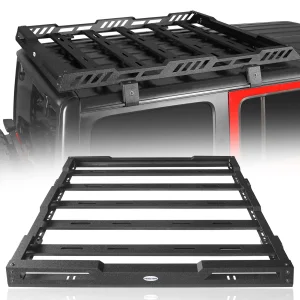
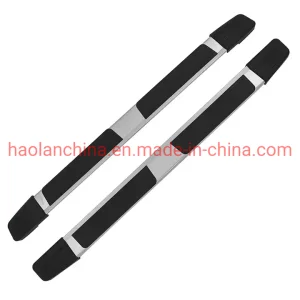
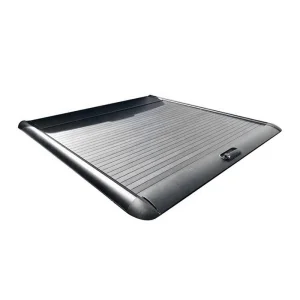
On highways and active work zones, visibility is essential for keeping crews safe. Combining bright LED light bars with utility steps, roof baskets, and protective cargo systems improves vehicle utility while ensuring work crews stay highly visible to traffic.
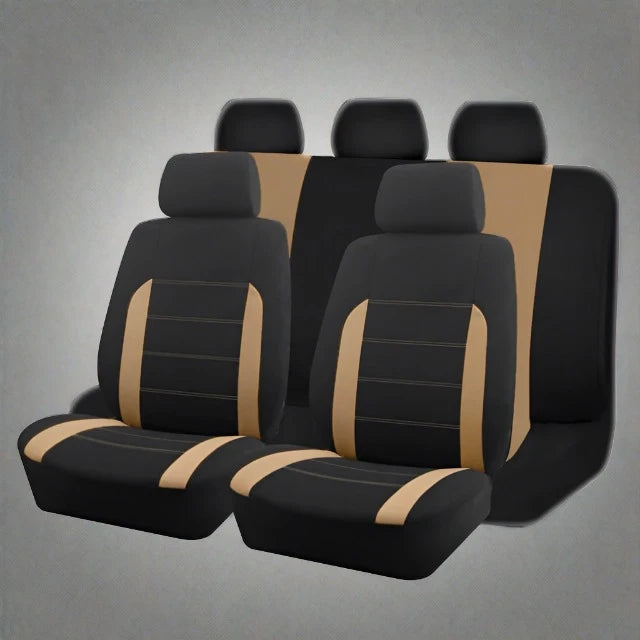
Guangzhou Motix Car Co., Ltd. is a professional automotive accessories manufacturer specializing in pickup truck upgrades and interior protection solutions. With a strong focus on innovation, durability, and user-oriented design, Motix delivers high-quality products tailored to global automotive markets.
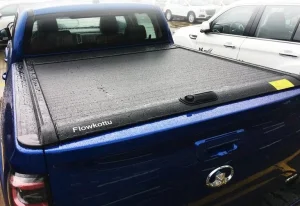
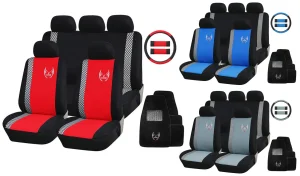
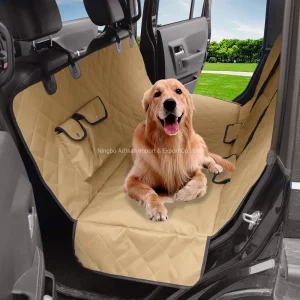
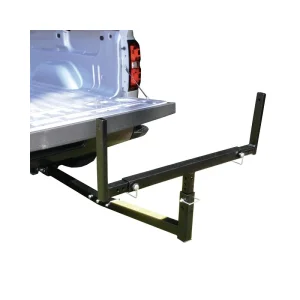
Our product portfolio covers a wide range of solutions, including car floor protection systems, truck bed utility enhancements, cargo management accessories, and exterior upgrade components for pickup trucks. Each product is engineered using premium materials to ensure long-lasting performance, resistance to wear, and adaptability to diverse driving conditions.
Backed by an experienced R&D team and advanced manufacturing facilities, Motix supports both OEM and ODM services, enabling clients to develop customized solutions that meet specific market demands. Strict quality control processes are implemented throughout production to guarantee reliability and consistency.
Motix is committed to enhancing vehicle functionality, comfort, and protection while helping partners stay competitive in the evolving automotive aftermarket industry. With a customer-centric approach, efficient supply capabilities, and a global outlook, Guangzhou Motix Car Co., Ltd. aims to build long-term partnerships and deliver value-driven automotive solutions worldwide.
What is coming next in advanced automotive lighting and electrical accessory integrations.
By pairing high-output LED floods with a central laser module, the next generation of auxiliary lights can project usable illumination over 1.5 kilometers ahead. This technology dramatically improves safety during high-speed, long-distance night travel.
Future setups will replace traditional mechanical relays with Bluetooth and CAN bus control modules. This lets drivers adjust beam focus, dimming levels, and strobe speeds directly from a smartphone app or from the vehicle's infotainment screen.
To reduce wind resistance and whistling noises on SUVs and pickup trucks, manufacturers are using slimmer profiles, optimized heatsink geometry, and matching wind deflectors. This improves aerodynamics, keeping fuel efficiency high and cabin noise low.
Key technical and procurement answers for international buyers and distributors.
A: Genuine manufacturers will have clean manufacturing spaces (look for ESD-safe assembly floors), in-house testing equipment (such as integrating spheres, salt spray chambers, IPX7 immersion tanks, and vibration tables), and IATF 16949 or ISO 9001 certifications. Ask for video walk-throughs, detailed factory audit reports, and certified IES test files for their products to confirm their capabilities.
A: High-power LED lights require switching regulators to control voltage, which can generate electromagnetic interference (EMI). Without proper shielding, this noise can disrupt radio signals, GPS systems, and sensitive vehicle electronics. To prevent these issues, look for light bars that comply with CISPR 25 Class 3 or Class 5, which ensures the electronics are clean and well-shielded.
A: PMMA (acrylic) is highly scratch-resistant and cost-effective, but it is brittle and can shatter under impact from gravel or branches. Polycarbonate (PC), such as GE Lexan, is virtually shatterproof and offers excellent impact resistance, making it the preferred choice for heavy off-road use, extreme cold, and demanding industrial applications.
A: When an LED light bar is switched on, the air inside heats up and expands. When it turns off and cools quickly (e.g., during rain or a water crossing), the air shrinks, creating a vacuum that can pull moisture past outer seals. A pressure equalization vent (like a Gore vent) allows air to flow freely while blocking water molecules, preventing condensation from forming on the inside of the lens.
A: Yes. Through OEM/ODM services, experienced manufacturers can design custom reflector plates and lens arrays. This allows you to match specific requirements, such as a narrow 5-degree beam for long-distance marine spotlighting or a broad, asymmetrical spread for heavy agricultural machinery.
Complete your vehicle upgrades with our durable, premium-grade mechanical and protective accessories.
 Motix Car